
Last updated August 25, 2026
Free on-site gate assessment - hinges, posts, and your LiftMaster or Nice gate operator checked before anything is quoted
The assessment is free and the quote is the invoice.
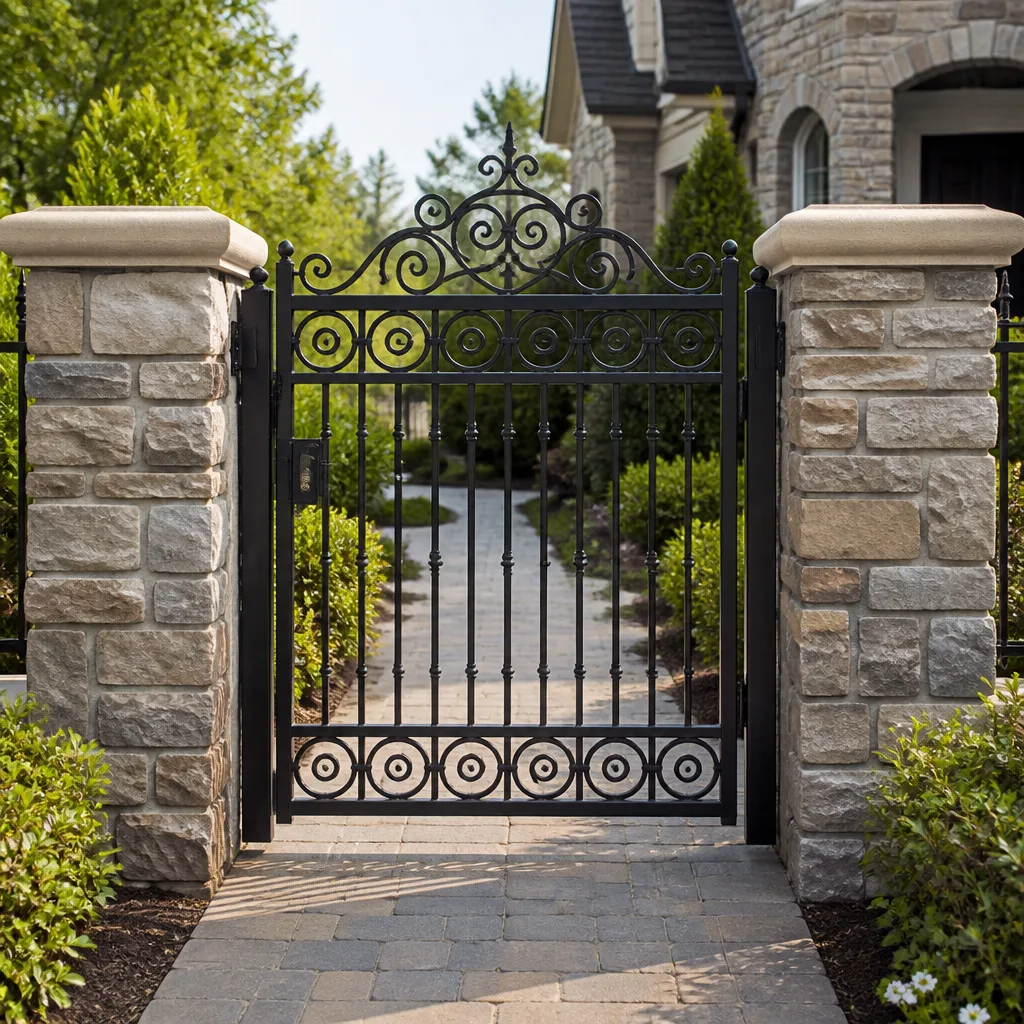
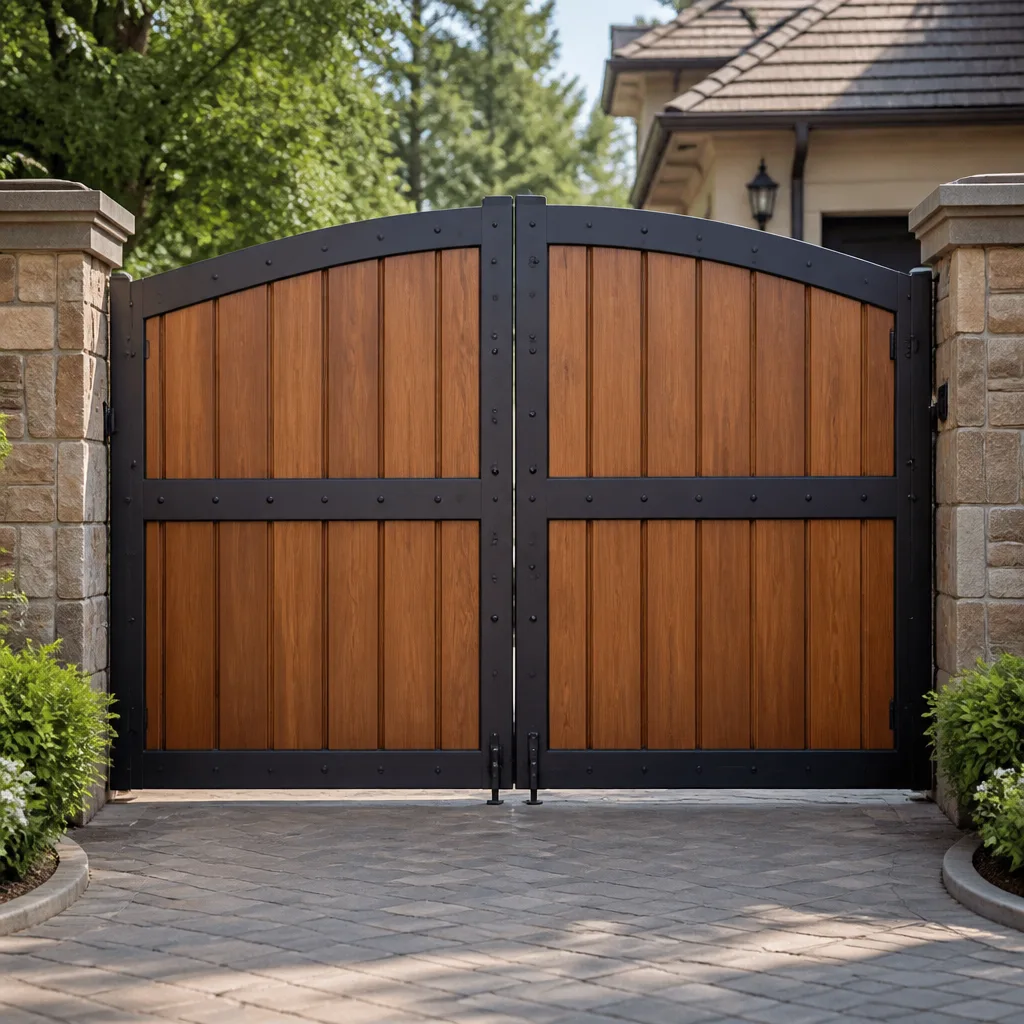
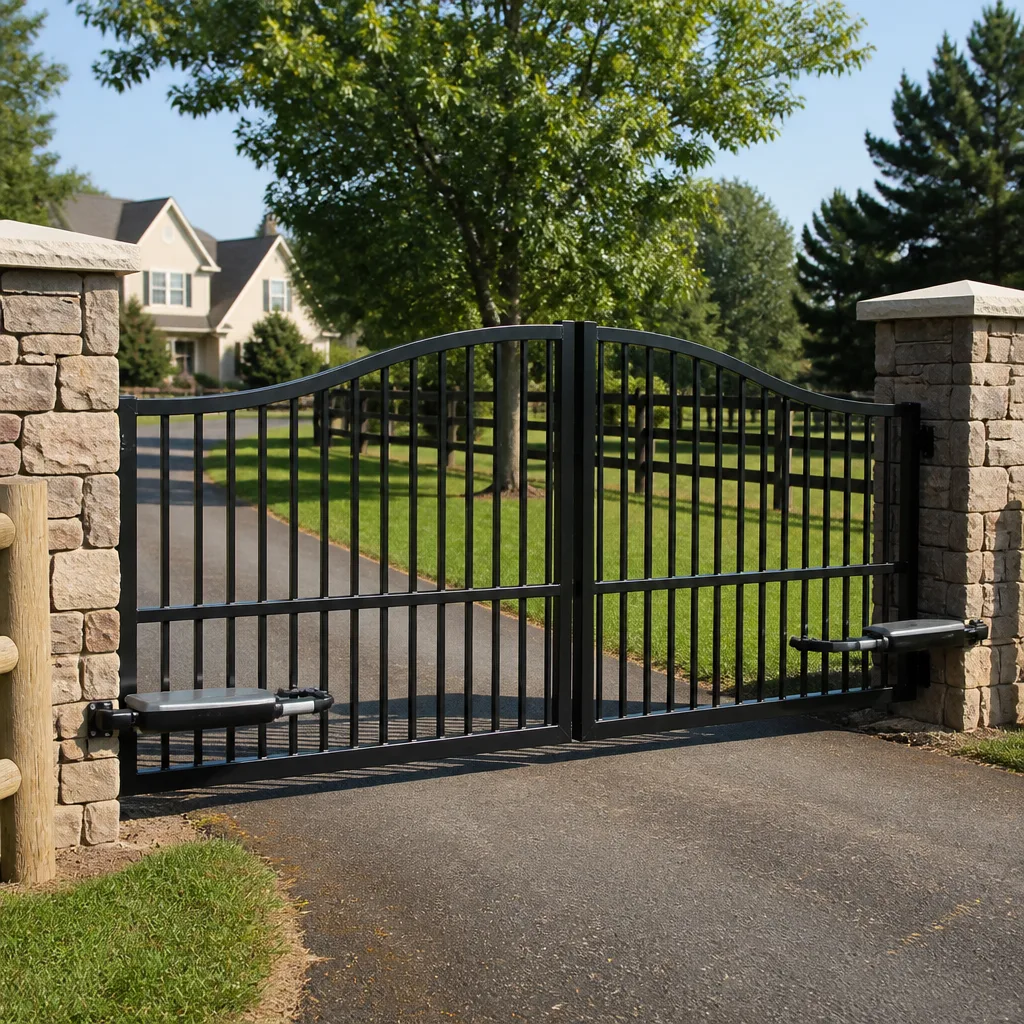
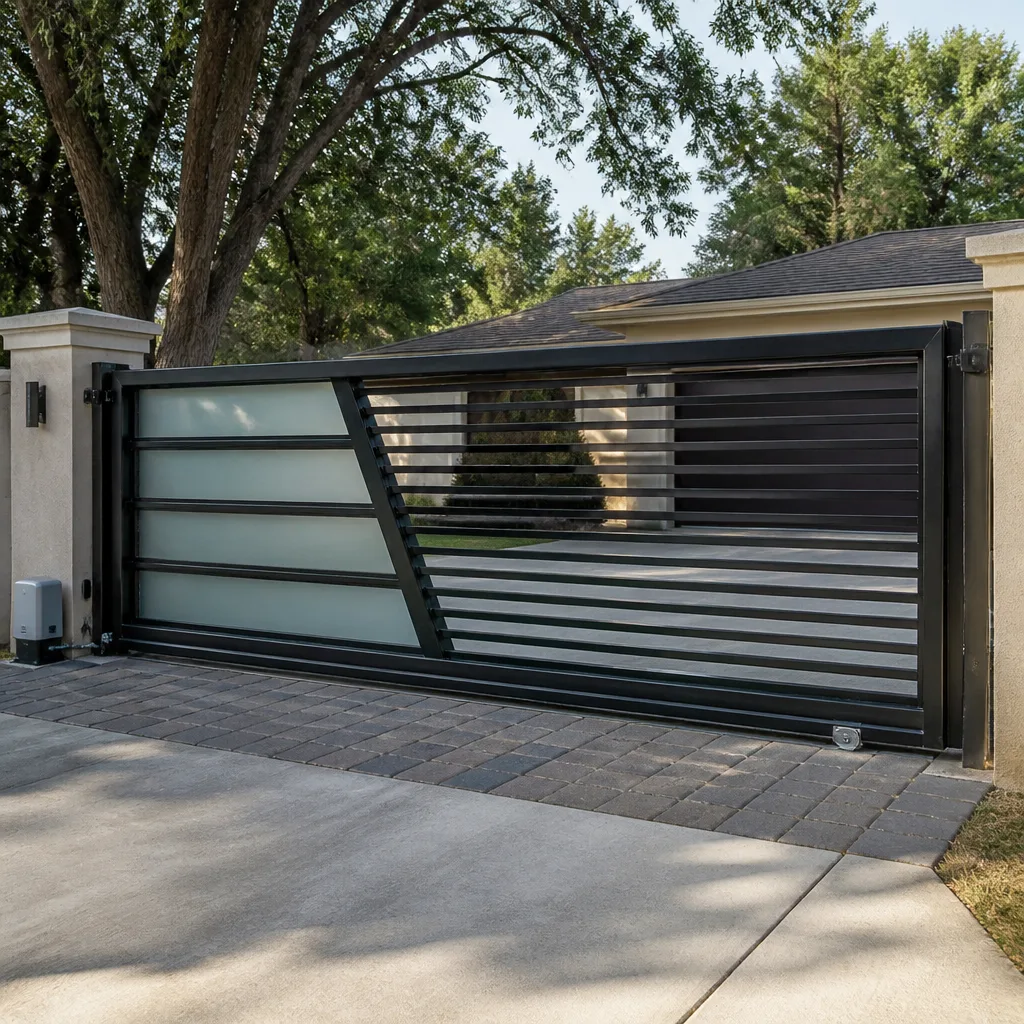
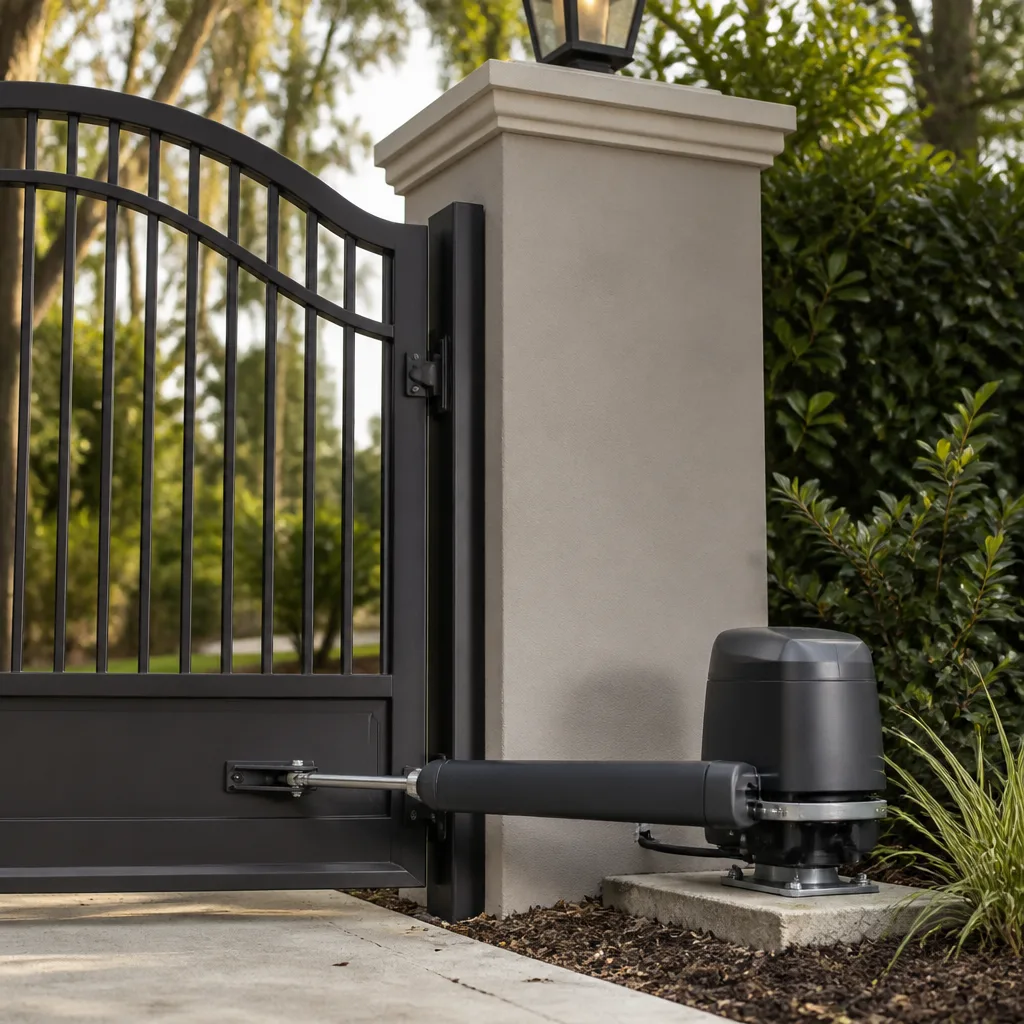
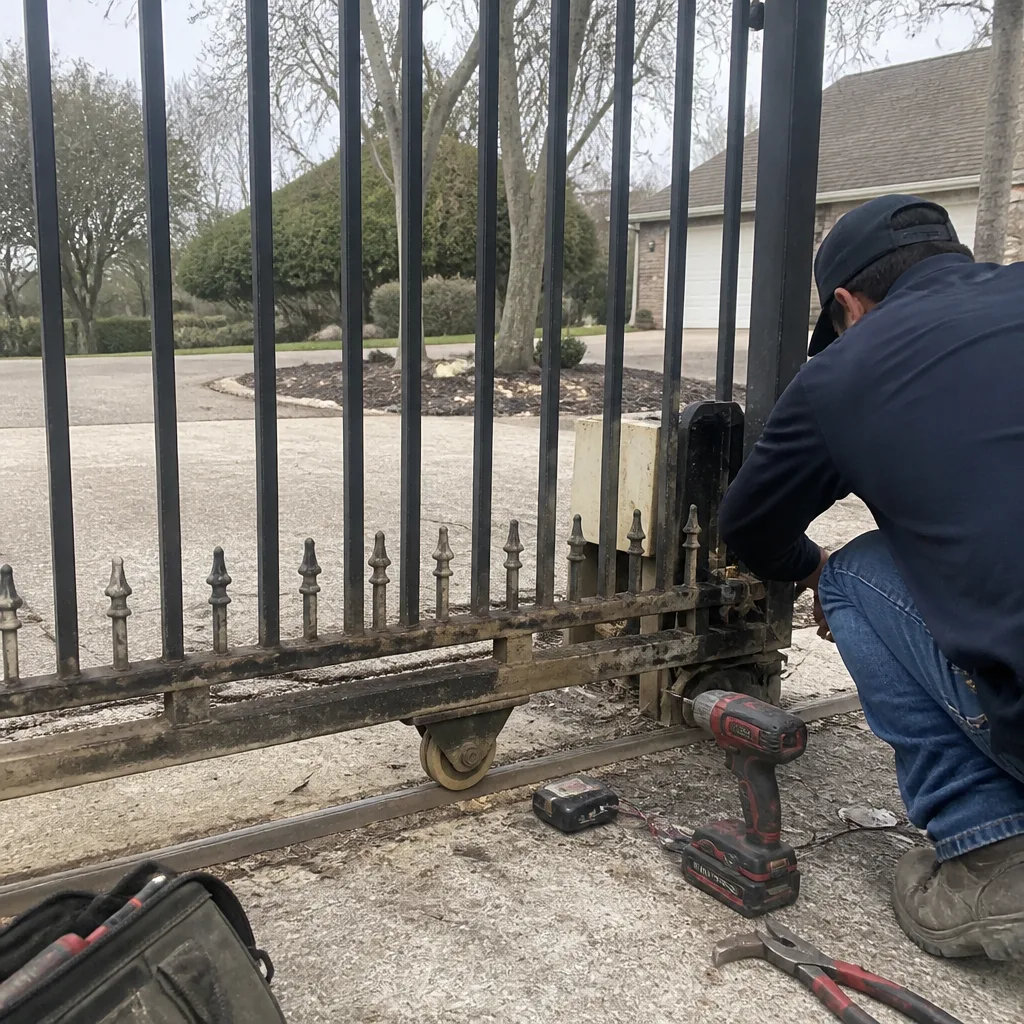 Before
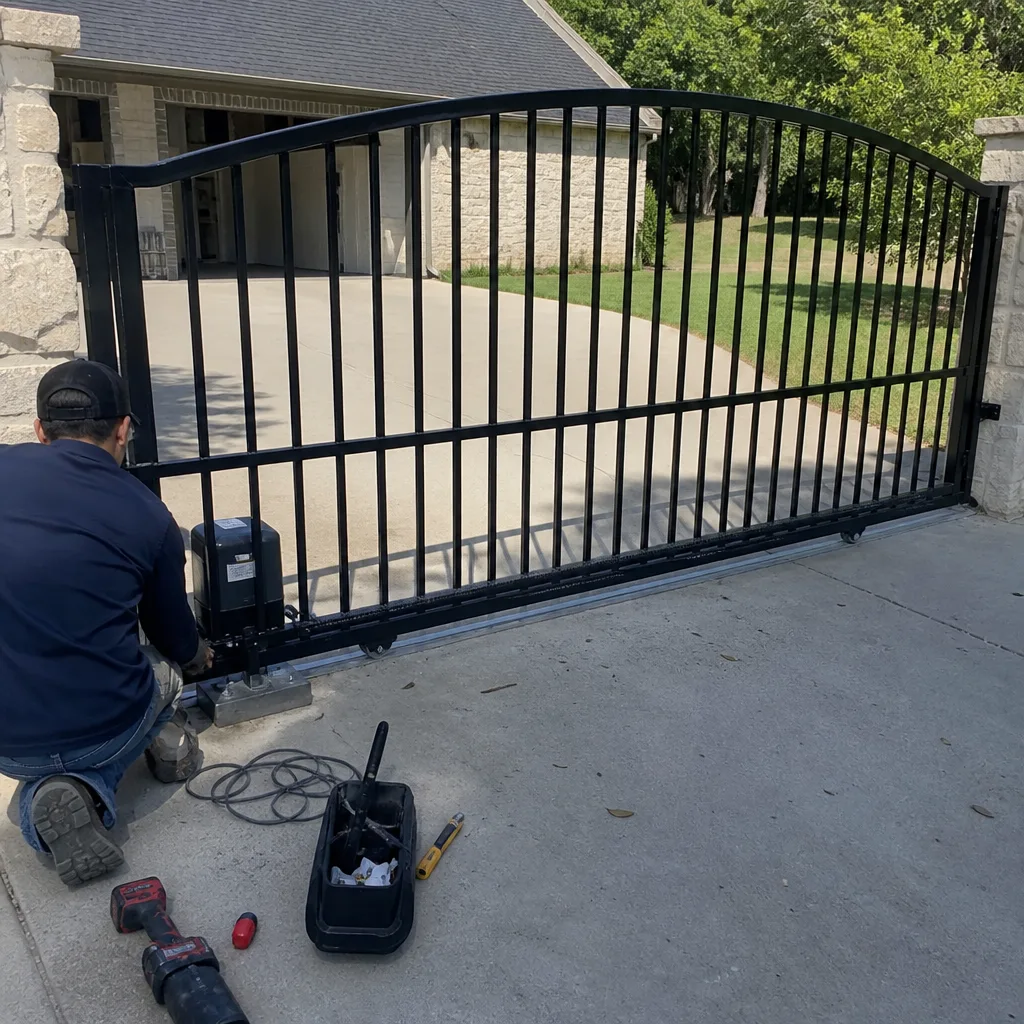 After
After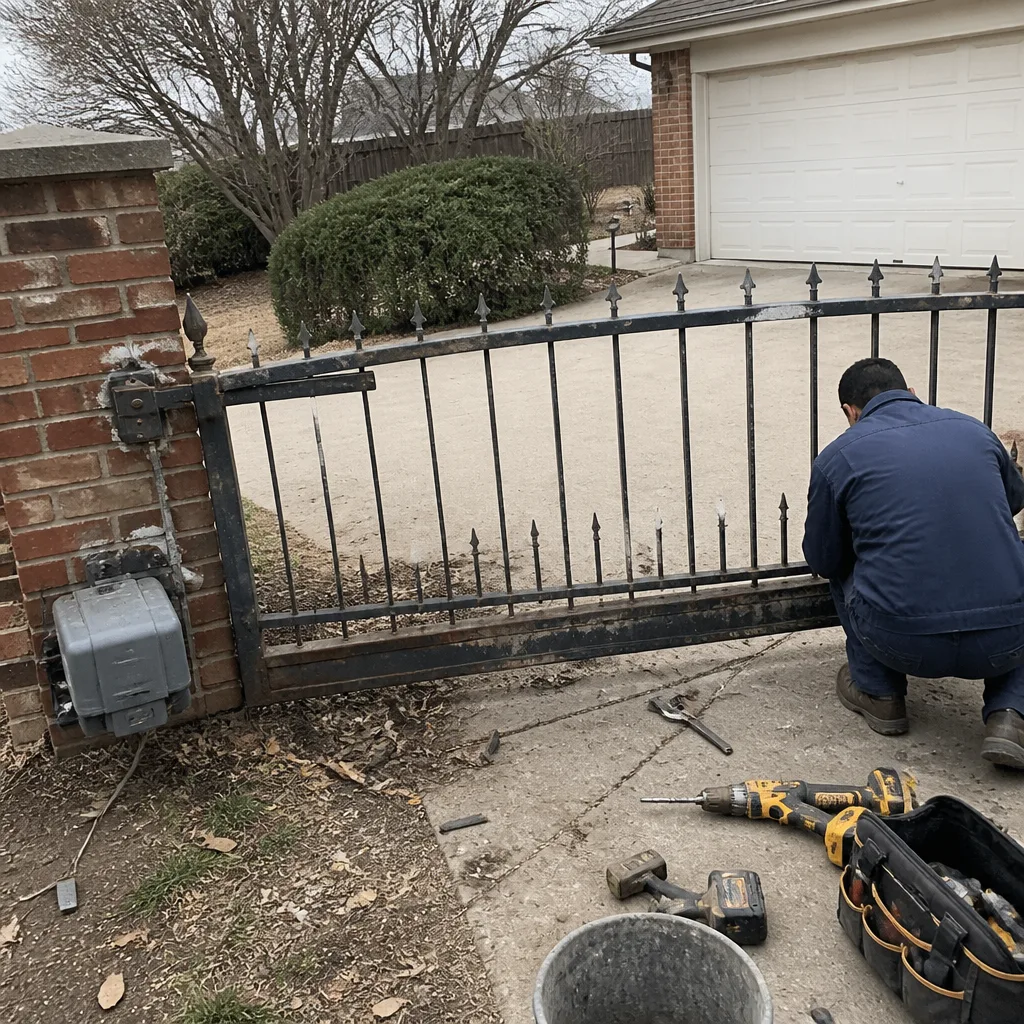 Before
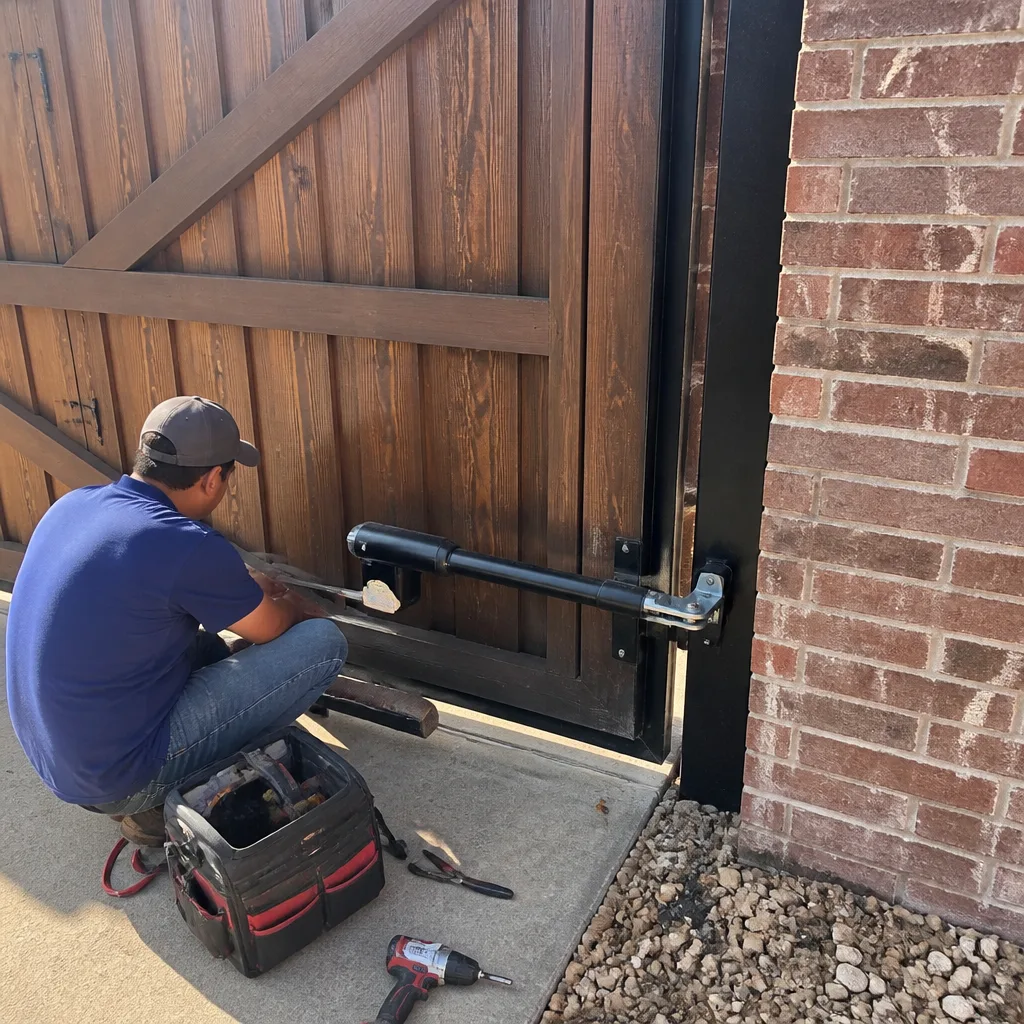 After
After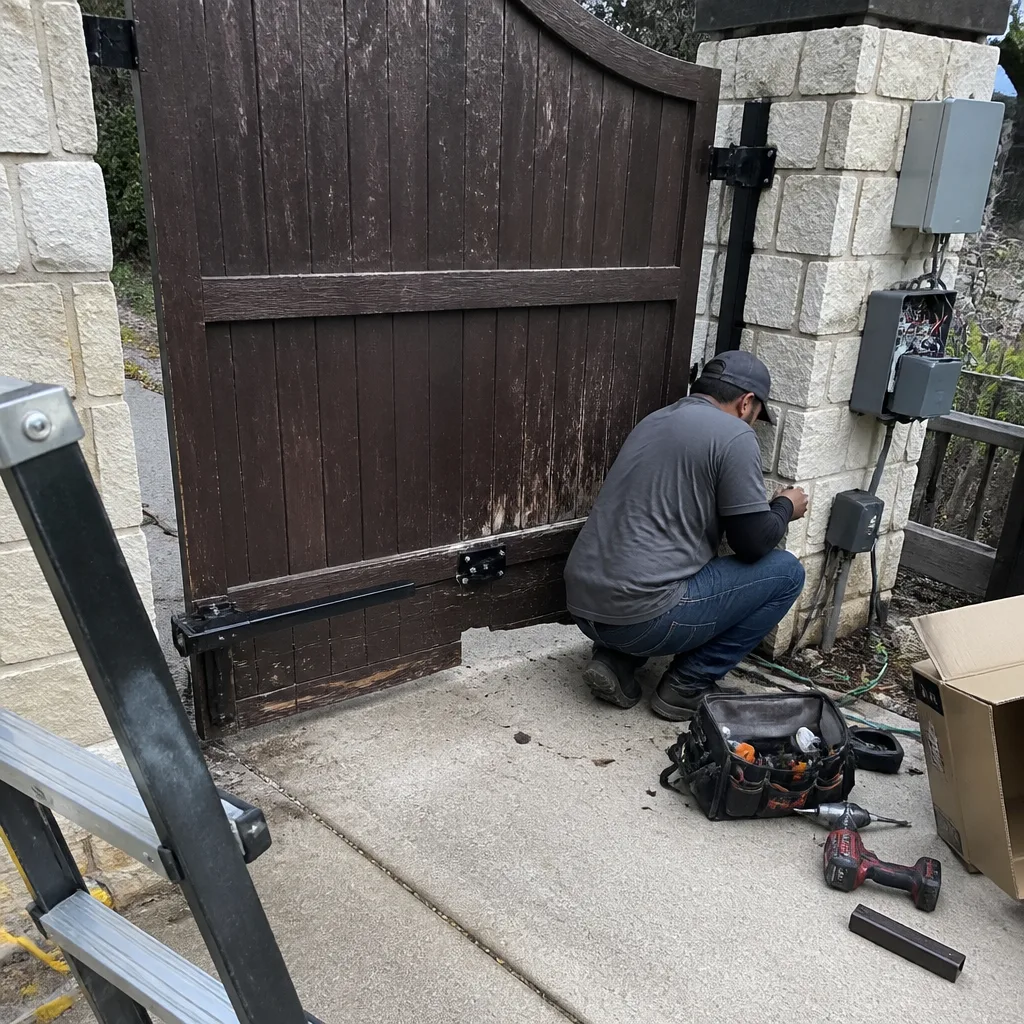 Before
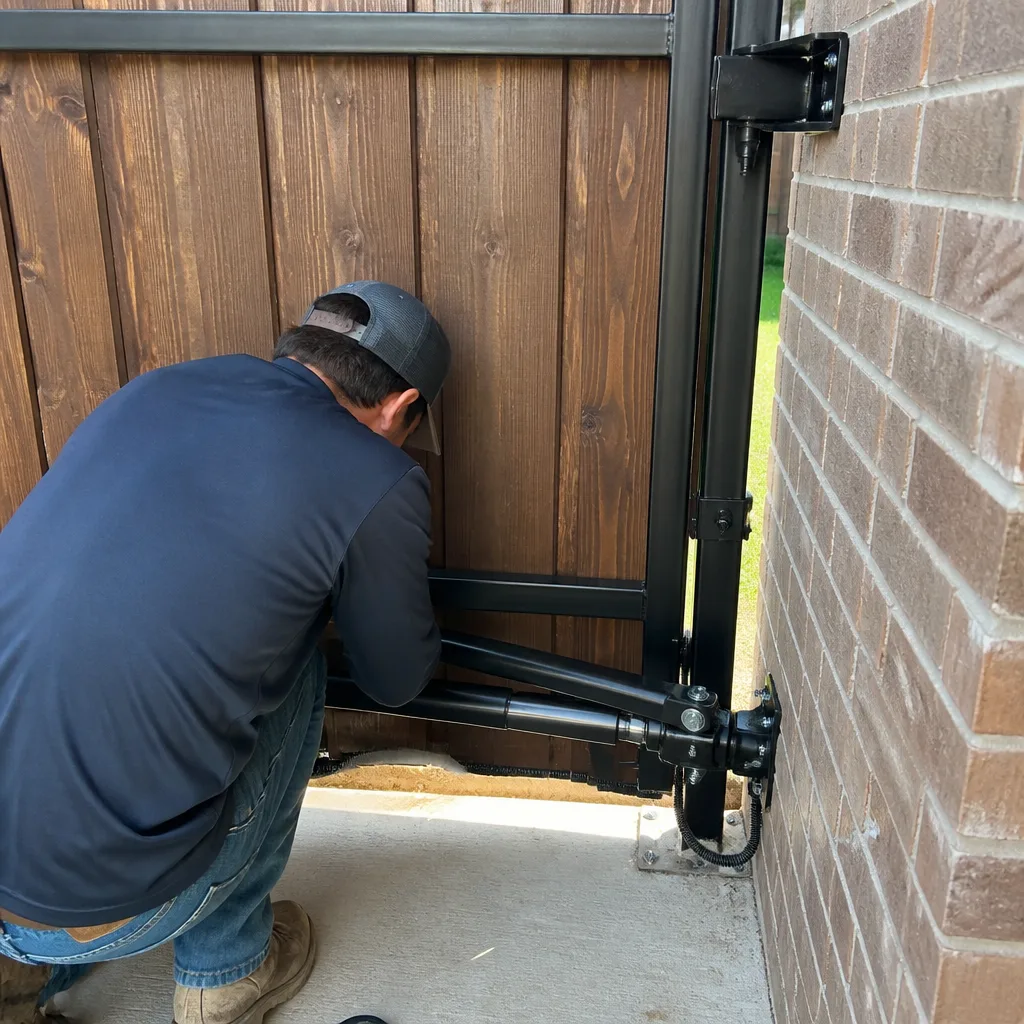 After
AfterGate Repair Maintenance Checklist for Rockwall Homeowners
Most gate failures in Rockwall don’t happen on the day of the storm. They happen on the Tuesday morning three weeks later, when a hinge that has been quietly rusting since 2019 finally gives way under the weight of a 400-pound leaf. Homeowners tend to call us after the gate is already on the ground, but the truth is that nearly every breakdown we see was visible months in advance. Worn rollers announce themselves with a scrape. A dying capacitor makes the motor hum a half-second too long. The metal tells you what it needs if you know where to look. This checklist is built from over four decades of watching gates fail in this specific climate, and it will teach you exactly what to check, how often, and when the problem is beyond a homeowner’s reach.
Quick Answer
A Rockwall gate needs a deliberate look-over at least twice a year, timed for early spring and mid-fall, when temperature swings between 40 and 90 degrees in a single week put the most stress on hinges, motors, and circuit boards. The essential tasks are lubricating hinges and rollers, tightening every visible bolt on the gate frame and operator arm, clearing the track and the area around both photo-eye sensors, checking the battery in the backup system, and testing the reversing mechanism with a rolled-up towel. Fifteen minutes, twice a year, prevents the majority of failures we get called out to repair.
Table of Contents
- Why Gates Fail in Rockwall
- The Twice-Yearly Maintenance Checklist
- Monthly Checks for Automated Gates
- After a Storm: The 48-Hour Protocol
- What a Seasonal Tune-Up Actually Includes
- The Parts That Wear Out First
- Common Mistakes to Avoid
- When to Call a Professional
- Frequently Asked Questions
- The Bottom Line
Why Gates Fail in Rockwall
Rockwall sits on the eastern edge of the Metroplex, where the soil is largely Houston Black Clay. That soil expands when it rains and contracts hard during dry spells, which means the ground under your gate posts moves more than most homeowners realize. A post that shifts a quarter inch changes the geometry of the entire gate. The latch no longer lines up with the strike plate. The hinges bind. The motor has to work harder to swing or slide the same weight it moved easily last spring. We see this pattern across Rockwall neighborhoods, from the older streets near the square to newer developments along the lake.
Then there is the weather itself. Rockwall gets roughly 39 inches of rain per year, but it rarely falls in gentle, spaced-out intervals. It comes in springtime downpours and summer thunderstorms that push humidity above 80 percent for days at a stretch. Untreated steel and poorly sealed welds rust in that kind of humidity. Electrical connections corrode. The circuit board inside the operator housing sweats, and once moisture gets into a control board, it is only a matter of time before the gate stops responding. Add in the clay soil and the occasional North Texas ice event, and you have a combination that punishes any gate that is not deliberately maintained.
The third factor is simply age and cycles. The average automated driveway gate in Rockwall opens and closes between four and eight times per day. That is roughly 2,000 cycles per year, and every one of them puts load on the hinge bearings, the operator arm, the limit switches, and the motor brushes. Most residential gate openers are built to last between 7 and 12 years under normal use, but only if they are maintained. Unmaintained, that number drops toward five. The gate itself, if it is well-built steel or wrought iron, can last forty years or more. The motor will not. Maintenance is what bends that curve.
The Twice-Yearly Maintenance Checklist
This is the checklist that matters most for Rockwall homeowners. Run through it every spring after the last freeze and every fall after the last triple-digit week. It takes about fifteen minutes and requires no special tools beyond a wrench set, a can of lithium grease, and a flashlight.
- Inspect every hinge and weld point. Look for hairline cracks at the weld toe, especially where the horizontal rail meets the vertical pickets. Look for rust blooms at the bottom of each hinge. If you see orange staining that was not there six months ago, the protective coating has failed and water is getting into the joint.
- Tighten every bolt you can reach. Gate frames flex every time the gate moves. Bolts slowly back out. Pay particular attention to the bolts where the operator arm attaches to the gate leaf and where the hinge plates bolt to the post. A loose operator arm bolt is the single most common cause of a gate that starts and then stops mid-travel.
- Lubricate the hinges, rollers, and operator arm pivot points. Use a lithium-based grease, not WD-40. WD-40 is a solvent and will strip the remaining lubrication away. Put a thin coat on the hinge pin, on the roller axle, and on the pivot where the operator arm connects to the gate.
- Clear the track (for slide gates). Rockwall soil and wind-blown debris will pack into the V-track and the rollers. Dig out packed dirt with a flathead screwdriver, blow out the dust, and check that every roller spins freely by hand.
- Clean the photo-eye lenses. The photo eyes are the small black sensors mounted near the bottom of the gate opening on both sides. Wipe the lenses with a dry cloth. A thin film of Texas dust is enough to make the gate reverse for no reason or refuse to close at all.
- Test the reversing mechanism. Place a rolled-up towel or a small cardboard box in the path of the closing gate. The gate should stop and reverse within two seconds of making contact. If it does not, that is a safety failure that needs professional attention immediately.
- Check the backup battery. Most modern openers have a sealed lead-acid battery that keeps the gate working during a power outage. These batteries last three to five years. If yours is older than that, plan to replace it before the next storm season.
After the first year, this becomes second nature. The key is consistency. A gate that gets this treatment twice a year will typically deliver double the service life of one that gets ignored until the day it stops.
Monthly Checks for Automated Gates
The twice-yearly checklist handles the mechanical side. The monthly checks are faster and focus on the automation system, which is where small electronic problems first show themselves. Each of these takes less than a minute.
1. Watch and Listen to One Full Cycle
Stand where you can see and hear the gate clearly. Open it, then close it. A healthy gate moves at a consistent speed with no hesitation, no laboring sound, and no grinding. If the motor sounds like it is working harder than it did last month, something is binding. If the gate slows down near the end of travel, the limit switch may be failing. If there is a rhythmic clicking or a whine from the operator housing, the capacitor or the gear train is telling you it is tired.
2. Check the Keypad and Remote Response
Open the gate with the keypad, then with each remote, then with the interior button if you have one. A delay of more than two seconds between pressing the button and the gate moving suggests a weak battery in the remote or a failing receiver board in the operator. Replace the remote batteries annually even if they still work. Most remote failures happen because of battery corrosion inside the case, not because the remote itself died.
3. Look at the Safety Edges
Safety edges are the pressure-sensitive strips on the leading edge of the gate leaf. Run your hand along each one and check for cracks, peeling, or compressed sections. These strips are what stop the gate if a child or an animal is in the path. A cracked safety edge may still look fine, but water will get inside and short the contacts. When they fail, gates behave erratically, and that is a call we get regularly in Rockwall.
4. Verify the Auto-Close Timing
Open the gate and let it sit. The auto-close feature should close it after the set interval, typically 15 to 30 seconds. If the gate used to auto-close and no longer does, the setting may have been wiped by a power surge, or the loop detector under the driveway may have failed. Both are quick fixes for a technician with the right diagnostic tools.
None of these checks require touching anything electrical. If you find a problem, do not open the operator housing yourself. Automation systems carry live current even when the gate is closed, and the circuit board inside is sensitive enough that an untrained touch can turn a $90 fix into a $600 replacement.
After a Storm: The 48-Hour Protocol
Rockwall gets real weather. Spring brings squall lines with 60-mile-per-hour straight-line winds. Summer brings lightning storms. Winter occasionally brings ice that coats everything and adds hundreds of pounds of frozen weight to a gate that was never designed to carry it. After any storm that knocks down branches or interrupts power, run through this protocol within 48 hours. Delaying is how small storm damage becomes a major repair.
- Clear debris from the track and the gate path. Leaves, branches, and mud will bind the rollers and force the motor to work harder. A jammed slide gate is often just debris packed into the track at the far end.
- Inspect the gate for new dents, bends, or misalignment. Wind does not usually bend a steel gate, but falling branches do. Check that both leaves still line up evenly at the center and that the latch still engages smoothly.
- Check the operator housing for water intrusion. Look for standing water around the base of the operator, and inspect the housing seal for gaps. If the gate is being sluggish or unresponsive after heavy rain, water has likely found its way into the control board. Do not open the housing to dry it out yourself unless you are comfortable working around live current.
- Test the gate on battery power. Disconnect the operator from main power (or flip the dedicated breaker if you have one) and open the gate using the keypad. If it moves slowly or not at all, the backup battery needs replacement.
- Document any damage for insurance. If a falling limb bent a horizontal rail or cracked a weld, take photos before anyone touches it. Your homeowner’s policy will likely cover storm damage to a permanent gate, but only if the damage is documented clearly.
The biggest storm-related failure we see in Rockwall is not wind damage. It is power surges. When a transformer is hit by lightning or a line snaps and reconnects, the voltage spike travels into the gate operator through the main feed. Even with a surge protector, sensitive components like the receiver board and the limit switches can fail weeks later. If the gate stops responding after a storm, even if the motor was fine that morning, treat it as surge damage until a technician tells you otherwise.
What a Seasonal Tune-Up Actually Includes
Ironworks Gate Co. offers an $89 Seasonal Tune-Up, and seeing what goes into it tells you exactly which parts of gate maintenance matter most. This is not a quick visual once-over. It is a hands-on service call that takes a technician through the entire system, top to bottom.
The tune-up starts with the mechanical side. Every hinge is inspected, tugged, and lubricated. Rollers are pulled from the track (on slide gates) and checked for flat spots. All bolts on the frame, the hinge plates, and the operator arm are checked with a torque wrench, not just by hand. The chain or belt tension is measured and adjusted to manufacturer spec. Weld joints are wire-brushed and inspected for cracks with a flashlight.
Then the electrical side. The technician opens the operator housing and checks the circuit board for burn marks, bulging capacitors, and corrosion. The limit switches are triggered manually to verify they stop the gate at the right point on every cycle. The photo eyes are cleaned, aligned, and tested with an obstruction. The safety edges are tested with physical pressure at three points along their length. The backup battery is load-tested. The keypad and all remotes are cycled to confirm signal strength.
Finally, the gate is cycled ten times in a row while the technician watches and listens. Most intermittent problems only show themselves when the motor is warm and the gate has already moved several times. By the end of the tune-up, you have a written summary of what was checked, what was adjusted, and what is likely to need attention in the next 12 to 24 months. It is the closest thing to a clean bill of health a gate can get, and it costs less than a typical restaurant dinner for four in Rockwall.
The Parts That Wear Out First
Every gate has predictable weak points. Knowing what they are helps you watch for early warning signs and budget for replacements before they become breakdowns. Here are the parts we replace most often across Rockwall, in rough order of frequency.
- Gate rollers (slide gates): The steel wheels that carry the gate along the track are the first thing to go. They wear unevenly because the gate is heavier at the motor end. Flat spots on the rollers make the gate shake while it moves, which accelerates wear on every other component. Expect to replace rollers every 4 to 7 years.
- Operator arm bushings: The arm that pushes and pulls the gate pivots at both ends. The bushings in those pivots are soft metal or plastic, designed to wear instead of the arm itself. When they wear out, the gate starts with a clunk. They are inexpensive, and replacing them early prevents damage to the more expensive operator arm and the bolt holes on the gate itself.
- Backup batteries: Sealed lead-acid batteries in gate operators last about 3 to 5 years in the Rockwall climate, less if they have been through multiple full discharges during outages. A failing battery shows itself when the gate runs slowly during a power outage or when the unit beeps repeatedly for no apparent reason.
- Photo-eye sensors: These sit close to the ground where water, dirt, and the occasional mower pass all take their toll. The lenses scratch, the housings crack, and the internal wiring corrodes. A photo eye that trips the gate for no reason, especially after rain, is almost always on its way out.
- Limit switches: These tell the motor where to stop. They are usually magnetic reed switches or mechanical micro-switches, and both types fail after tens of thousands of cycles. Symptoms include the gate stopping short of full open, slamming into the end stop, or reversing at the wrong point.
- Circuit boards: The brain of the operation. Surge damage, water intrusion, and lightning strikes are the usual killers. A board can fail in an instant or degrade slowly, causing intermittent problems that get worse over weeks. When a board fails, the choice is often between a replacement board and a full operator replacement, depending on the age of the unit and the brand.
- Hinge bearings: On heavy swing gates, the hinge bearings do the physical work of carrying the gate. They wear slowly, but when they go, the gate sags visibly and the latch stops lining up. Hinge bearings on a 500-pound gate are not a homeowner repair. The gate has to be supported while the hinges are rebuilt, which is exactly the kind of job that needs a specialist with the right equipment.
There is a pattern here. Every moving part wears, and every part that wears sends out signals before it fails. The scraping noise, the slow start, the gate that reverses for no reason. These are not mysteries. They are a gate asking for attention, and they appear months before most outright failures.
Common Mistakes to Avoid
- Using the wrong lubricant. WD-40 is a penetrating solvent, not a lubricant. It will wash existing grease out of a hinge and leave the metal unprotected. Use a lithium or synthetic grease on hinges and rollers, and a dry graphite spray on lock mechanisms. This is the single most common mistake we see, and it does real damage over time.
- Ignoring a gate that is getting slower. A gate that takes longer to open than it did a year ago is telling you something. Slow operation means the motor is drawing more current, which means heat, which shortens the life of the motor and the circuit board. The fix is usually simple and inexpensive if addressed early. Once the motor burns out, it is a replacement, not a repair.
- Forcing a gate that is stuck. If the gate will not move, trying to push it manually or bumping it with a vehicle is how a stuck roller becomes a bent track and a damaged operator arm. Disconnect the operator using the manual release and call a technician. A stuck gate is never improved by force.
- Working on the operator housing without disconnecting power. Gate operators have live 120-volt power inside the housing even when the gate is not moving. The circuit board can be damaged by static discharge from a fingertip. Opening the housing is a job for someone who knows what they are doing. If the gate is not responding, the problem is rarely fixable by poking at the board.
- Neglecting the gate posts. The posts are the foundation of the entire system. If a post is leaning or the concrete slab is cracking, no amount of adjustment at the gate will fix the alignment. In Rockwall’s expansive clay soil, post movement is common. Address it early with proper re-setting or reinforcement, not just by adjusting the hinges.
- Skipping the fall inspection. Spring maintenance is intuitive. Fall maintenance is where most homeowners drop off. The fall window is when you catch the problems that summer heat and spring storms created, before winter ice adds hundreds of pounds of weight to a gate that is already compromised.
- Replacing parts one at a time on an old operator. When an operator is more than ten years old and needs a second major component in a single year, the right financial call is usually a full replacement. You can spend $400 on a board and $300 on limit switches and $250 on a gear train within eighteen months, only to have the motor fail next. A new operator with a proper installation and a written guarantee is often the cheaper path, and it resets the clock on the entire automation system.
When to Call a Professional
Some jobs are for the homeowner. Lubrication, bolt-tightening, lens-cleaning, visual inspection. Those are the fifteen-minute tasks that keep a gate healthy. But there is a clear line, and crossing it without the right training, tools, and support is how small problems become expensive ones. Call a professional when the gate is misaligned and the latch no longer closes, when the motor runs but the gate does not move, when the circuit board shows visible damage or smells of burned electronics, when a weld is cracked anywhere on the structure, or when the reversing mechanism does not stop the gate during the towel test. Work on the automation system is live-current work, and work on the gate structure itself often involves supporting hundreds of pounds of swinging metal. These are not jobs for a weekend afternoon. Ironworks Gate Co. offers free estimates in Rockwall, and our technicians are trained on nine automation brands including Ghost Controls, DoorKing, and Elite, so the diagnosis and the fix happen on the same visit in most cases. Call (936) 715-3043 and a live person answers, day or night.
Frequently Asked Questions
Ironworks Gate Co. charges $89 for a Seasonal Tune-Up, and that includes the full hands-on checklist described above: hinge and roller lubrication, bolt torque, track clearing, photo-eye alignment, safety-edge testing, battery load testing, and a full cycle test. The price is quoted and agreed before any work begins, so there is no surprise on the invoice. Call (936) 715-3043 to schedule yours.
Twice a year is right for this climate. Once in early spring after the last freeze, and once in mid-fall before the temperature swings settle in. Use a lithium grease, not WD-40. If the gate is exposed to irrigation overspray or sits within a mile of the lake, where humidity runs higher year-round, consider adding a third lubrication in midsummer.
Nine times out of ten, a gate that opens but refuses to close has a photo-eye problem. The sensors are blocked, dirty, misaligned, or failing, and the system is doing exactly what it is designed to do: refusing to close on an obstruction it thinks is there. Clean the lenses with a dry cloth first. If that does not fix it, the sensors likely need realignment or replacement. A live person is available 24/7 at (936) 715-3043 to walk you through it.
Yes, in almost every case. The opener is mounted to the gate and the post, and most gates in Rockwall have enough structure to accept a new operator as long as the gate itself is sound. We work with Mighty Mule, Elite, DoorKing, and other major brands, and the measure, the recommendation, and the written price are all free. Installation is scheduled, not same-day, but most jobs are completed in a single visit.
The average residential gate operator lasts between 7 and 12 years with regular maintenance. Without maintenance, that drops to around 5. The heat, humidity, and lightning pattern in Rockwall is harder on electronics than a drier climate would be, which makes the twice-yearly checklist and the battery replacement schedule more important here than in, say, Arizona.
First, check your breaker. Then test the gate using the keypad. If it will not run on battery power, the backup battery has likely failed, and that is a simple replacement. If the gate runs on battery but will not respond when main power is restored, the circuit board may have been damaged by the surge. Do not open the operator housing yourself. Call (936) 715-3043 and explain what happened. We will get a technician out to diagnose it, and the repair price is quoted before any work starts.
The Bottom Line
A gate is a machine with moving parts, and machines reward attention. Fifteen minutes twice a year is enough to catch most problems before they become breakdowns, and the signs are not subtle once you know what to listen for. Rockwall’s clay soil, storm patterns, and humidity make that twice-yearly rhythm more important here than in most places. Lubricate the hinges, tighten the bolts, clear the track, clean the sensors, test the safety reverse, and watch the battery. Do that consistently, and your gate will outlast the motor, which is exactly how it should work. When something does go wrong, or when the job is beyond what you want to take on, the gate specialists at Ironworks Gate Co. are one call away at (936) 715-3043. A live person answers, 24 hours a day, and every job is backed by the 90-Day Done Right Promise, in writing.
Written by Victor Salinas, Owner at Ironworks Gate Co., serving Rockwall since 2013.